Ottoman Winged Border Embroidery Design
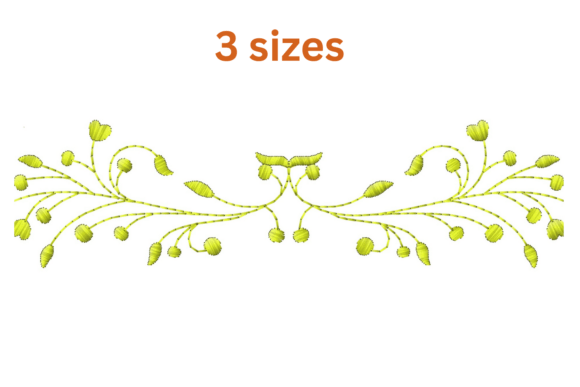
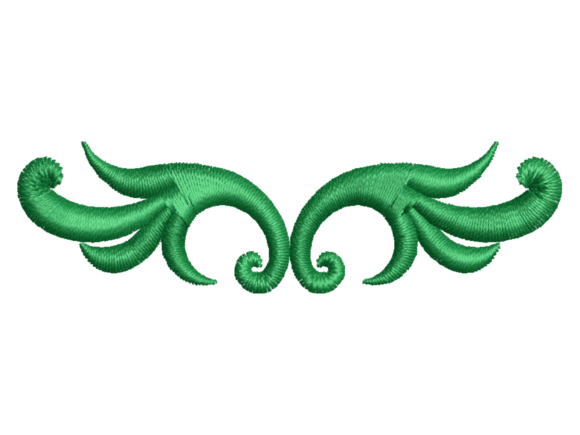
There is a distinct elegance found in the intersection of historical artistry and modern textile application. When you encounter the Ottoman Winged Border Embroidery, you are not just looking at a pattern; you are observing a fluid narrative woven into fabric. This specific design, often characterized by its Emerald Scroll Filigree aesthetic, brings a sense of organic movement that static geometric patterns simply cannot achieve. It mimics the graceful sweep of garden vines or the stylized, aerodynamic curve of wings, creating a visual rhythm that guides the eye effortlessly across a surface.
The personality of this embroidery style is one of sophisticated restraint mixed with vibrant energy. Rendered typically in a lush, dense satin-stitch, the design catches light in a way that adds immediate dimension to flat materials. Whether applied to a delicate cotton blouse or a sturdy canvas tote, the bold lines and curled tips provide a focal point that feels both classical and contemporary. For designers and makers, this motif offers a versatile accent that can elevate a project from simple utility to curated luxury without overwhelming the base material.
The Visual Language of Organic Curves
At its core, the Ottoman Winged Border Embroidery relies on symmetry and flow. Unlike rigid borders that box in content, this design breathes. The mirrored set of sweeping curves creates a natural frame, inviting the viewer to explore the center of the composition. The "winged" aspect refers to the terminal points of the scroll, which curl outward like feathers or leaves, suggesting growth and expansion rather than containment.
This visual characteristic makes it an excellent choice for projects requiring a touch of botanical whimsy or classical decoration. The high-sheen finish provided by the satin stitch technique ensures that the green tones appear rich and deep, adding a tactile quality that digital prints often lack. In the realm of textile design, texture is paramount. The physical relief of the stitching interacts with ambient light, creating subtle shadows and highlights that change as the fabric moves. This dynamic quality is essential for items like guest towels or napkins, where the user's interaction with the object reveals new details of the craftsmanship.
Applications in Branding and Commercial Projects
While rooted in tradition, the versatility of this design allows it to function effectively in modern branding and commercial contexts. Small business owners and entrepreneurs often struggle to find design assets that feel premium yet approachable. The Ottoman Winged Border Embroidery strikes this balance perfectly. It signals attention to detail and a commitment to quality, traits that consumers associate with established brands.
- Packaging Design: Incorporating this motif into the corners of custom packaging or gift boxes can instantly elevate perceived value. It acts as a seal of authenticity, suggesting that the contents inside are handcrafted or carefully selected.
- Apparel and Fashion: Placing the design on the yoke of a western shirt or framing a monogram on a linen napkin provides a symmetrical flourish that anchors the garment. It works well as a standalone statement piece or as a subtle accent alongside more minimal designs.
- Home Textiles: For interior decorators and home goods creators, this border serves as a bridge between traditional and modern decor styles. It pairs beautifully with neutral linens, adding a pop of color and intricate detail without clashing with existing furniture.
In the context of logo design or brand identity, the curves of the scroll can be adapted to create a unique mark that suggests heritage and stability. While not a serif font or sans serif font in the typographic sense, the structural integrity of the lines shares the same principles of balance and readability. When used consistently across various touchpoints—from social media graphics to physical products—it reinforces brand recognition and establishes a cohesive visual language.
Evaluating Fit and Readability in Textile Contexts
Choosing the right design element is less about personal preference and more about understanding how it functions within a specific project. When evaluating the Ottoman Winged Border Embroidery, consider the scale and the substrate. On delicate fabrics like silk or fine cotton, the density of the satin stitch might add weight, so a slightly scaled-down version could maintain the aesthetic while preserving the drape of the material. Conversely, on heavier canvases or denim, the full, bold lines of the original design will stand out with greater impact.
Readability in embroidery differs from typography but follows similar rules of hierarchy. The design must be large enough to be appreciated from a reasonable distance but detailed enough to reward closer inspection. If the goal is to frame text—such as a name on a guest towel—the curves should not compete with the lettering. Instead, they should act as a supportive structure, leading the eye toward the central message. This is where the concept of font pairing becomes relevant; if you are combining this border with a script font or a handwritten font for names, ensure the weights complement each other. A heavy, blocky typeface might clash with the delicate filigree, whereas a refined serif or a clean sans-serif would harmonize better.
Furthermore, consider the commercial licensing and availability of such design assets. High-quality embroidery patterns are valuable design assets that require proper attribution and usage rights. Using a premium source ensures that the digitization is optimized for different stitch types, preventing issues like puckering or thread breakage during production. For professional results, always test a sample on the actual fabric intended for the final product. This step is crucial for verifying that the vibrant green hues render correctly and that the dimensional pop achieved by the satin stitch meets your quality standards.
Enhancing Sophistication Through Detail
The true power of the Ottoman Winged Border Embroidery lies in its ability to transform ordinary objects into heirlooms. In an era of mass-produced goods, the inclusion of such intricate, hand-inspired details communicates a story of care and artistry. Whether you are a blogger documenting your creative process, a publisher designing a special edition book cover, or a marketer launching a new product line, this design offers a pathway to differentiation.
It invites the audience to slow down and appreciate the craft. The fluid beauty of the emerald scroll does not shout for attention; it whispers sophistication. By integrating this motif thoughtfully, you align your work with a legacy of decorative excellence while maintaining a fresh, modern appeal. As you explore your next creative endeavor, remember that the most effective designs are those that enhance the user experience, adding value through beauty, texture, and timeless style.