Beautiful Botanical Embroidery Design: Elevating Textiles with Nature-Inspired Art
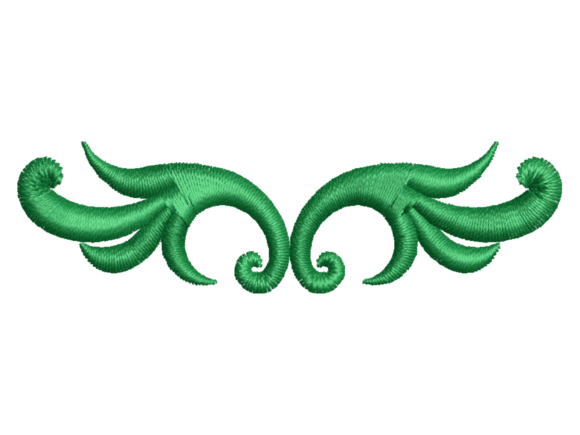
In the realm of textile arts, few aesthetic movements have maintained as much enduring appeal as the integration of natural motifs into fabric. The Beautiful Botanical Embroidery Design represents a convergence of organic form and technical precision, offering creators a versatile tool to transform ordinary materials into pieces of wearable or decorative art. This specific design philosophy moves beyond simple representation; it captures the essence of flora through soft plant-inspired details that bring a natural and elegant touch to any fabric project. Whether viewed by a seasoned professional seeking to expand their boutique catalog or a hobbyist looking to refine their home decor, the application of these flowing leaves and delicate elements creates a balanced and decorative look that feels both fresh and timeless.
The Anatomy of Organic Elegance in Stitching
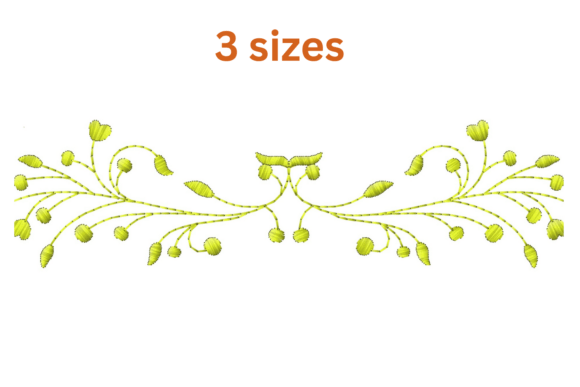
Understanding what makes a botanical motif truly effective requires an examination of its structural components. Unlike rigid geometric patterns, botanical designs rely on asymmetry, curvature, and varying line weights to mimic the growth patterns found in nature. The flowing leaves characteristic of this style are not merely static shapes; they suggest movement and life. When executed correctly, the stitch direction follows the natural grain of the leaf, enhancing the illusion of depth and texture.
The delicate elements within this design category serve a dual purpose. Aesthetically, they provide visual interest without overwhelming the base fabric. Technically, they offer a study in contrast. By pairing fine, single-thread stems with broader, satin-stitched petals or leaves, the embroidery achieves a dynamic range that catches the light differently from various angles. This balance is crucial for creating a polished finish. A well-composed botanical piece avoids clutter, ensuring that each flower and vine has room to breathe, which contributes significantly to the calming natural feel associated with high-quality embroidery collections.
Technical Considerations for Smooth Execution
For those implementing these designs digitally or manually, the mechanics of the stitch play a vital role in the final outcome. The Beautiful Botanical Embroidery Design is engineered to stitch smoothly, a feature that is particularly important when working with complex curves. In machine embroidery, this translates to optimized digitization where underlay stitches support the top layer, preventing puckering on lighter fabrics. For hand embroiderers, the design's clarity allows for confident stitching, reducing the likelihood of errors in intricate areas.
One of the primary advantages of this specific design approach is its adaptability across different thread counts and fabric weaves. The clean lines ensure that the pattern remains legible even on tightly woven linens, while the softer shading techniques work beautifully on the drape of cottons and silks. This versatility means that the same core design can be scaled up for large-scale wall hangings or downsized for subtle accents on cuffs and collars without losing its defining character.
Applications Across Fashion and Home Environments
The utility of botanical embroidery extends far beyond a single medium. Its inherent elegance allows it to bridge the gap between casual wear and formal attire, as well as between functional household items and curated art pieces. The soft plant inspired details are particularly effective in modern fashion trends that favor minimalism with a touch of artisanal flair.
- Boutique Style Clothing: Designers often utilize these motifs to create statement pieces. Placing a vertical vine arrangement along the placket of a shirt or scattering small floral clusters across the hem of a dress adds a refined accent that elevates the garment's perceived value. The natural theme resonates with consumers seeking sustainable and earth-conscious aesthetics.
- Tote Bags and Accessories: Functional items like tote bags benefit immensely from the durability and visual weight of embroidered designs. Unlike printed graphics that may fade or crack, embroidered botanicals add texture and longevity. The design serves as a focal point, turning a utilitarian object into a stylish accessory.
- Home Decor Integration: In the domestic sphere, cushions and table linens provide the perfect canvas for larger iterations of the design. A cushion cover featuring a central botanical medallion can anchor a neutral sofa, while embroidered napkins can elevate a dining setting, adding a layer of sophistication to everyday meals.
Creating Handmade Gifts with Lasting Impact
For the creator focused on the gifting market, the Beautiful Botanical Embroidery Design offers a unique selling proposition. In an era of mass production, handmade gifts carry emotional weight. The time and skill required to execute a complex botanical pattern signal care and intentionality to the recipient. Whether it is a monogrammed pillowcase for a wedding gift or a personalized scarf for a birthday, the inclusion of nature-inspired motifs conveys a sense of peace and growth.
The tactile nature of embroidery also enhances the gifting experience. Recipients can run their fingers over the raised threads, feeling the difference between the matte background fabric and the lustrous embroidery floss. This sensory engagement makes the gift memorable. Furthermore, because the design is balanced and decorative, it appeals to a wide demographic, avoiding overly niche tastes that might limit its appeal.
Strategic Implementation for Business and Creators
For business owners and professional creators, integrating this type of design into a product line requires a strategic approach to material selection and branding. The clean and polished finish delivered by high-quality botanical files ensures consistency across batches, which is essential for maintaining brand reputation. Consistency in stitch quality prevents returns and fosters customer loyalty.
When sourcing or creating these designs, it is important to consider the target audience's lifestyle. Consumers interested in botanical themes often align with values of sustainability, mindfulness, and appreciation for craftsmanship. Marketing materials should highlight these aspects, emphasizing how the design brings a calming natural feel to the user's environment. This aligns the product with broader cultural trends towards biophilic design—the concept of connecting people more closely to nature within built environments.
Material Synergy and Fabric Selection
The success of any embroidery project hinges on the synergy between the design and the substrate. While the Beautiful Botanical Embroidery Design is versatile, certain fabrics enhance its specific characteristics better than others.
- Cotton and Linen: These natural fibers provide a textured backdrop that complements the organic nature of the design. The slight irregularity of linen weave pairs perfectly with the flowing lines of the leaves, creating a rustic yet refined aesthetic ideal for table linens and summer dresses.
- Silk and Rayon: For evening wear or luxury accessories, smoother fabrics allow the sheen of the embroidery thread to stand out. The delicate elements of the design become more pronounced against a sleek background, creating a sophisticated contrast suitable for high-end boutiques.
- Denim and Canvas: Heavier fabrics require robust stabilizers but offer a durable platform for tote bags and jackets. The boldness of the botanical pattern stands out sharply against dark denim, making it a popular choice for streetwear influenced by artisanal trends.
Enhancing the Creative Workflow
Incorporating botanical motifs into a creative workflow can streamline production while allowing for artistic expression. For digital designers, having a library of well-digitized files saves significant time. The ability to manipulate scale, color, and density allows for rapid prototyping. A single Beautiful Botanical Embroidery Design file can be adapted for multiple products simply by adjusting the hoop size and thread palette.
Color theory plays a pivotal role in maximizing the impact of these designs. While traditional botanicals often rely on greens and earth tones, modern interpretations embrace pastels, neons, and metallics. Experimenting with thread colors can completely alter the mood of the piece. Soft sage greens and muted pinks evoke tranquility, while vibrant teals and golds introduce energy and luxury. This flexibility ensures that the design remains relevant across changing seasonal trends.
Educators and researchers in textile arts also find value in these designs as teaching tools. They illustrate fundamental principles of composition, such as balance, rhythm, and unity. Students can learn how to manage thread tension, select appropriate needles, and understand the relationship between stitch type and fabric behavior. The complexity of the flowing leaves challenges learners to master curve stitching, a foundational skill in advanced embroidery.
Future Trends in Textile Decoration
Looking ahead, the demand for nature-inspired textiles shows no sign of waning. As urbanization increases, the psychological need for connection to nature drives consumer preference for organic patterns. The Beautiful Botanical Embroidery Design is poised to remain a staple in the industry, evolving alongside new technologies in thread manufacturing and digitization software.
We anticipate seeing more hybrid applications where embroidery combines with other techniques, such as appliqué or screen printing, to create multi-dimensional textures. Additionally, the rise of slow fashion encourages consumers to invest in higher-quality, longer-lasting items, making the durability of embroidered botanicals an attractive alternative to printed fast-fashion trends. The timeless quality of the design ensures that it does not fall victim to fleeting fads, securing its place as a classic element in textile decoration.
Ultimately, the power of this design lies in its ability to infuse everyday objects with beauty and meaning. It transforms a simple shirt into a conversation starter and a plain cushion into a centerpiece. By understanding the nuances of its execution and application, creators can harness the full potential of botanical embroidery to deliver products that are not only visually stunning but also emotionally resonant. Whether for personal satisfaction or commercial success, the journey into the world of botanical stitching offers endless possibilities for innovation and expression.