Reviving the Golden Age: The Art and Application of Mid-Century Modern Seamless Patterns
In the ever-evolving landscape of graphic design and interior aesthetics, few movements have maintained their relevance as steadfastly as Mid-Century Modern (MCM) design. Originating in the mid-20th century, this style is celebrated for its clean lines, organic forms, and a philosophy that prioritizes function without sacrificing beauty. Today, this enduring appeal has found a new digital home through Mid-Century Modern Seamless Patterns. These are not merely decorative backgrounds; they are sophisticated digital assets that capture the essence of an era defined by optimism, innovation, and balanced composition.
Whether you are a professional textile designer, a small business owner looking to elevate your packaging, or a DIY enthusiast decorating your home, understanding the nuances of these patterns can transform your creative projects. This article explores the history, characteristics, and practical applications of MCM seamless patterns, guiding you on how to integrate this timeless style into modern contexts.
The Essence of Mid-Century Modern Design
To truly appreciate a seamless pattern collection inspired by this movement, one must first understand the foundational principles of Mid-Century Modernism. Emerging roughly between 1945 and 1969, this design philosophy was a reaction against the ornate and heavy styles of the past. It championed simplicity, honesty of materials, and a harmonious relationship between indoor and outdoor spaces.
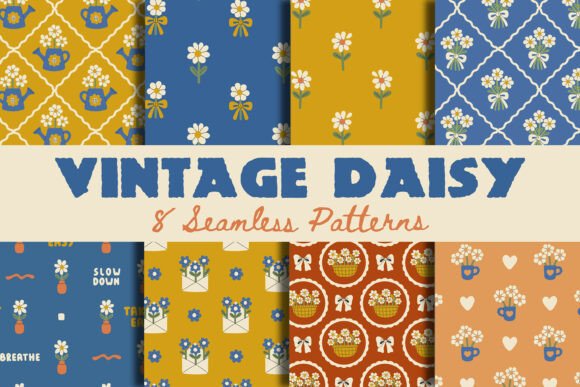
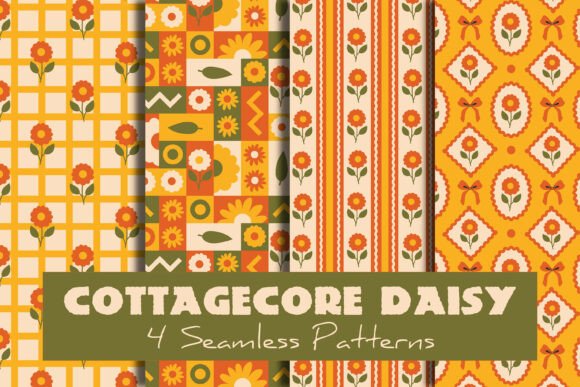
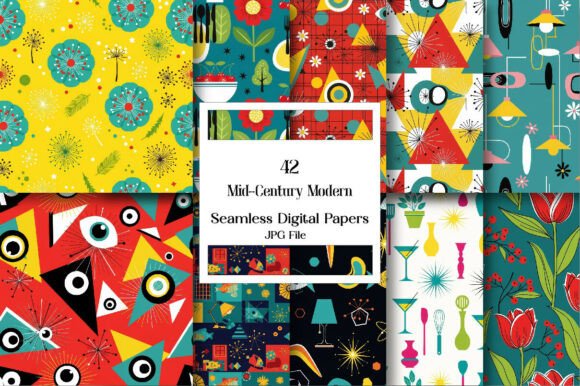
At the heart of MCM design lies a unique duality: the marriage of clean geometric forms with organic curves. You will often see bold triangles, circles, and squares juxtaposed with flowing, biomorphic shapes reminiscent of nature. This balance creates a visual rhythm that is both structured and fluid. Furthermore, the color palette is iconic—think mustard yellows, avocado greens, burnt oranges, and teals, often set against warm woods or crisp neutrals. When translated into seamless patterns, these elements repeat infinitely, creating a texture that feels both retro and refreshingly contemporary.
Why Seamless Patterns Matter
A seamless pattern is a repeating image where the edges align perfectly, allowing the design to tile endlessly without visible breaks or interruptions. In the context of Mid-Century Modern design, this functionality is crucial. It allows designers to apply the aesthetic to surfaces of any size, from a small stationery card to a massive roll of wallpaper, maintaining the integrity of the composition throughout.
The significance of these patterns extends beyond mere decoration. They serve as a bridge between the past and present, offering a way to infuse modern digital and physical products with a sense of history and sophistication. Unlike chaotic or overly detailed textures, MCM seamless patterns provide a "sophisticated vintage feel" that organizes visual space rather than cluttering it.
Practical Applications in Modern Life and Business
The versatility of Mid-Century Modern Seamless Patterns makes them an invaluable asset across various industries. Their ability to blend classic charm with modern utility ensures they fit seamlessly into today's market demands. Here is how these patterns are reshaping different sectors:
Fabric and Textile Design
One of the most popular uses for these patterns is in the fashion and home textile industry. Imagine a sofa upholstered in fabric featuring a repeating atomic starburst or a botanical leaf motif in muted tones. The seamless nature of the pattern ensures that the fabric looks consistent no matter how much material is cut or sewn. For independent makers, using these digital files to create custom prints on demand allows for low-risk experimentation with trendy, retro-inspired visuals.
Interior Décor and Wallpaper
In interior design, the trend of maximalism is giving way to curated minimalism, making MCM patterns perfect for accent walls or statement pieces. A room featuring a wallpaper with a geometric trellis or a stylized sunburst can instantly transport occupants to a 1950s living room while feeling entirely current. These patterns add depth and character to a space without overwhelming it, adhering to the MCM principle of "form follows function."
Product Packaging and Branding
For businesses, packaging is the first point of contact with a customer. Using Mid-Century Modern Seamless Patterns on product boxes, labels, or wrapping paper signals quality, heritage, and attention to detail. Brands in the coffee, craft beer, and artisanal food sectors often leverage this aesthetic to evoke a sense of nostalgia and authenticity. The clean structure of the patterns ensures that logos and text remain legible, striking a perfect balance between art and information.
Digital Backgrounds and Stationery
In the digital realm, these patterns are essential for creating engaging presentations, website backgrounds, and social media graphics. They offer a polished look that stands out against the stark white or flat colors common in modern web design. Similarly, for stationery lovers, these patterns bring a touch of elegance to notebooks, planners, and greeting cards, making everyday tasks feel more special.
Common Misunderstandings About Retro Design
Despite its popularity, there are several misconceptions about Mid-Century Modern design that can hinder effective application.
- Misconception 1: It is just "old-fashioned." Many assume that because the style originated decades ago, it looks dated. In reality, the core tenets of MCM—simplicity, functionality, and natural integration—are the very foundations of modern minimalist design. When executed correctly, it feels fresh and relevant.
- Misconception 2: It requires bright, neon colors. While some MCM designs did feature vibrant hues, the style is equally defined by earthy, muted tones. Assuming that all retro patterns must be loud can lead to clashing results. True MCM elegance often lies in the subtlety of the palette.
- Misconception 3: Seamless patterns are hard to use. With modern digital tools, applying a seamless pattern is as easy as dragging and dropping a file. The complexity lies in the design creation, not the application.
How to Choose the Right Pattern for Your Project
When selecting a pattern from a collection like Mid-Century Modern Seamless Patterns, consider the scale and purpose of your project. For large-scale applications like wallpaper or upholstery, choose patterns with smaller, tighter repeats to avoid visual distortion. For branding or packaging, larger, bolder motifs may work better to grab attention.
Additionally, think about the emotional response you want to evoke. Geometric, angular patterns often convey stability and order, making them ideal for corporate branding or educational materials. Conversely, patterns with organic curves and floral elements suggest warmth and creativity, perfect for lifestyle brands or home décor.
Integrating Technology and Tradition
The intersection of technology and traditional design is where these patterns truly shine. Digital fabrication techniques, such as laser cutting and digital printing, allow for the precise reproduction of complex MCM geometries that were once difficult to manufacture. This synergy enables creators to produce high-quality, retro-inspired goods with modern efficiency.
Furthermore, the rise of e-commerce means that a designer in one country can sell a digital pattern file to a maker in another, who then prints it on fabric or paper. This global accessibility democratizes the Mid-Century Modern aesthetic, allowing anyone to participate in the revival of this beloved style.
Conclusion: A Timeless Investment in Style
Mid-Century Modern Seamless Patterns represent more than just a trend; they are a testament to the enduring power of good design. By combining classic mid-century elements with the technical precision of seamless repeats, these collections offer a versatile toolkit for designers, makers, and decorators alike.
Whether you are wrapping a gift, designing a new brand identity, or redecorating your living room, incorporating these patterns adds a layer of charm, style, and timeless decorative appeal. They remind us that while trends come and go, the principles of balance, harmony, and thoughtful composition remain constant. As we continue to navigate a fast-paced, digital world, the grounded elegance of Mid-Century Modern design offers a comforting and stylish anchor, proving that the past can indeed inform a brighter future.