Mastering the Art of White Onyx Marble Texture in Modern Design
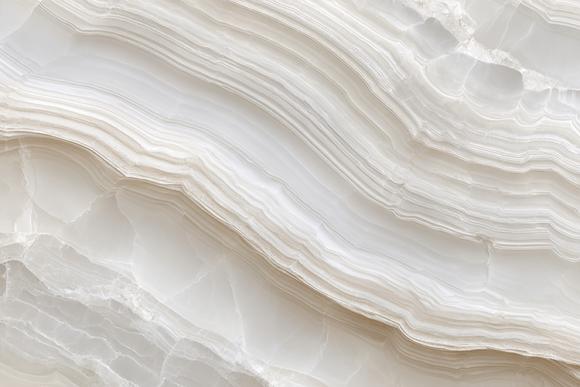
In the world of interior design and digital aesthetics, few materials command as much respect and admiration as marble. Among its many varieties, White Onyx stands out as a beacon of sophistication. When you encounter a high-resolution White Onyx Marble Texture, such as a 5824 x 3264 px JPG file, you are not just looking at an image; you are observing a digital capture of geological history, refined for modern application. This article explores the nuances of this luxurious stone, its visual characteristics, and how high-quality texture files revolutionize creative workflows across industries.
The Allure of White Onyx: More Than Just Stone
To understand the value of a White Onyx marble texture, one must first appreciate the material itself. Unlike standard calcite marbles, onyx is a form of banded chalcedony or agate, often referred to as "onyx marble" in architectural contexts. It is renowned for its unique translucency. When light passes through it, the stone glows, revealing internal layers that look like frozen clouds or flowing water.
A sophisticated white onyx texture typically features delicate layered bands in soft ivory, cream, and light beige tones. These are not random markings; they are the result of mineral deposition over millions of years. The natural flowing mineral patterns create a sense of movement, making the surface feel alive rather than static. This organic complexity is what designers seek when they want to inject a sense of timeless luxury into a space or a brand identity.
Why High Resolution Matters: The 5824 x 3264 Standard
In the digital age, the quality of a texture file is paramount. A generic, low-resolution image might suffice for a small web icon, but it fails miserably when scaled up for large-format printing or detailed architectural visualization. This is where a file with dimensions of 5824 x 3264 pixels becomes essential.
- Print Readiness: At this resolution, the file contains enough pixel data to be printed at large sizes without losing sharpness. Whether used for a full-wall mural or a high-end magazine spread, the details remain crisp.
- Detailed Visualization: For 3D artists and architects, seeing the fine veins and subtle color shifts is crucial. A high-quality JPG allows for zooming in to inspect the grain structure, ensuring that the digital representation matches the physical reality of the stone.
- Versatility: Large files offer flexibility. You can crop sections for different uses—perhaps using a corner for a business card background while reserving the center for a website hero image—without compromising quality.
Practical Applications in Interior Design and Branding
The utility of a premium White Onyx Marble Texture extends far beyond simple decoration. It serves as a foundational element in various creative fields, bridging the gap between physical materials and digital concepts.
Transforming Interior Spaces
In interior design, the goal is often to create an atmosphere. White onyx, with its soft ivory and cream palette, acts as a neutral yet dynamic backdrop. It reflects light beautifully, making rooms appear larger and brighter. Designers use high-resolution textures to create photorealistic renderings before construction begins. This allows clients to visualize how the translucent stone effect will interact with ambient lighting, creating a luxurious and elegant aesthetic that feels both warm and airy.
Imagine a modern bathroom vanity or a reception desk in a high-end hotel. The flowing mineral patterns of white onyx add a focal point that draws the eye without overwhelming the senses. It pairs exceptionally well with gold fixtures, dark woods, and sleek glass, creating a balanced composition that screams opulence.
Elevating Luxury Branding
Beyond architecture, the White Onyx Marble Texture has become a staple in luxury branding. In a crowded market, brands need visual assets that communicate quality instantly. The natural elegance of onyx suggests heritage, stability, and exclusivity.
Marketing teams utilize these textures for:
- Packaging Design: Adding a subtle marble overlay to product boxes or labels can elevate a cosmetic or perfume line from ordinary to premium.
- Digital Assets: Website backgrounds and social media banners featuring high-quality stone textures convey professionalism and attention to detail.
- Event Materials: Invitations and brochures printed with these textures set the tone for exclusive events, signaling to guests that the experience will be memorable.
Understanding the Digital Workflow
For creatives working in graphic design, architecture, or web development, integrating a high-quality print-ready file into their workflow requires specific considerations. While the file format is a standard JPG, the sheer size (5824 x 3264 px) means it demands robust software handling.
Beginners often assume that any marble image will do. However, there is a distinct difference between a stock photo taken with a phone and a professionally scanned texture map. Professional textures are often corrected for color balance, ensuring that the "soft ivory" and "light beige" tones are true to life, not washed out or oversaturated. They are also free of lens distortions, providing a flat, even surface that is perfect for tiling or mapping onto 3D models.
Common Misunderstandings About Digital Textures
One common misconception is that a digital texture can perfectly replicate the tactile feel of real stone. While a 5824 x 3264 px image captures the visual beauty—the veins, the translucency, the color variations—it cannot convey the cool touch or the weight of the actual slab. It is vital for designers to remember that these files are visual tools intended to inspire and plan, not to replace the sensory experience of the physical material.
Another assumption is that higher resolution always equals better performance. While true for print and high-end rendering, using a massive file on a mobile website can slow down load times. Smart designers know to optimize these files, creating smaller versions for web use while keeping the original high-res version for print and detailed work.
The Role of Texture in Modern Creativity
In our increasingly digital lives, texture provides a necessary connection to the physical world. We live in screens, yet we crave the warmth of natural materials. The White Onyx Marble Texture satisfies this craving by bringing the organic chaos of nature into the structured environment of digital media.
It fits seamlessly into modern life by enhancing the user experience. Whether it is a smartphone wallpaper that calms the mind with its flowing patterns or a corporate presentation slide that commands authority, the texture adds depth and dimension. It moves design away from flat, sterile minimalism toward a more rich, layered aesthetic known as "maximalist minimalism"—where clean lines meet complex, natural details.
Building a Broader Understanding
Ultimately, appreciating a White Onyx Marble Texture is about understanding the intersection of geology, art, and technology. It represents the effort to capture the fleeting beauty of natural light passing through stone and preserving it in a digital format that can be shared, manipulated, and utilized globally.
For students of design, professionals in architecture, and business owners alike, investing in high-quality resources like this print-ready JPG file is an investment in credibility. It signals that you value precision, beauty, and the finer details that separate good design from great design. As we continue to blend the virtual and physical worlds, the demand for such authentic, high-fidelity textures will only grow, serving as the canvas upon which our future environments and brands are painted.
By choosing textures that feature delicate layered bands and natural flowing patterns, creators ensure their work resonates with an audience that seeks authenticity and luxury. In a world of synthetic perfection, the imperfect, beautiful randomness of white onyx remains a timeless choice for those who wish to leave a lasting impression.